


Why Transformation Needs a Vessel
There is a difference between the vulnerability we carry within ourselves, the vulnerability we share with people we deeply trust, and the vulnerability we bring into the collective space of the internet.
The vulnerability we carry within ourselves is made up of our deepest feelings, fears, and insecurities that we may not yet be ready to share. It is a natural part of the human experience and can be a source of self-understanding.
The vulnerability we share with people we trust is a conscious decision to open ourselves within safe and trusting relationships. It can deepen connection and trust, and support the process of personal growth and transformation.
The vulnerability we share on the internet is the public sharing of personal experiences with a wide audience, where the same level of safety, context, and mutual trust does not exist.
The internet is not a space naturally created to hold the deepest parts of our psyche. It is fast, open, and available to everyone. When we bring something deeply personal and painful into such a space, we are no longer entering only into a relationship with people who know us and care for us. We are also entering a field of projections and reactions from strangers.
Vulnerability is something precious. It is deeply human. It is one of the things that allows us to truly connect with one another. But an important question remains: Where are we bringing it, and who are we entrusting it to?
The internet has become a kind of public square where people often place things that actually belong only to relationships built on trust and intimacy.
The problem is not speaking about our experiences. Sharing can be healing. A sincere story can sometimes help another person feel less alone. The problem begins when a wound is exposed before it has had the chance to be understood, when an inner process becomes a public display, or when we unconsciously expect others to give us the validation, attention, or meaning that we have not yet found within ourselves.
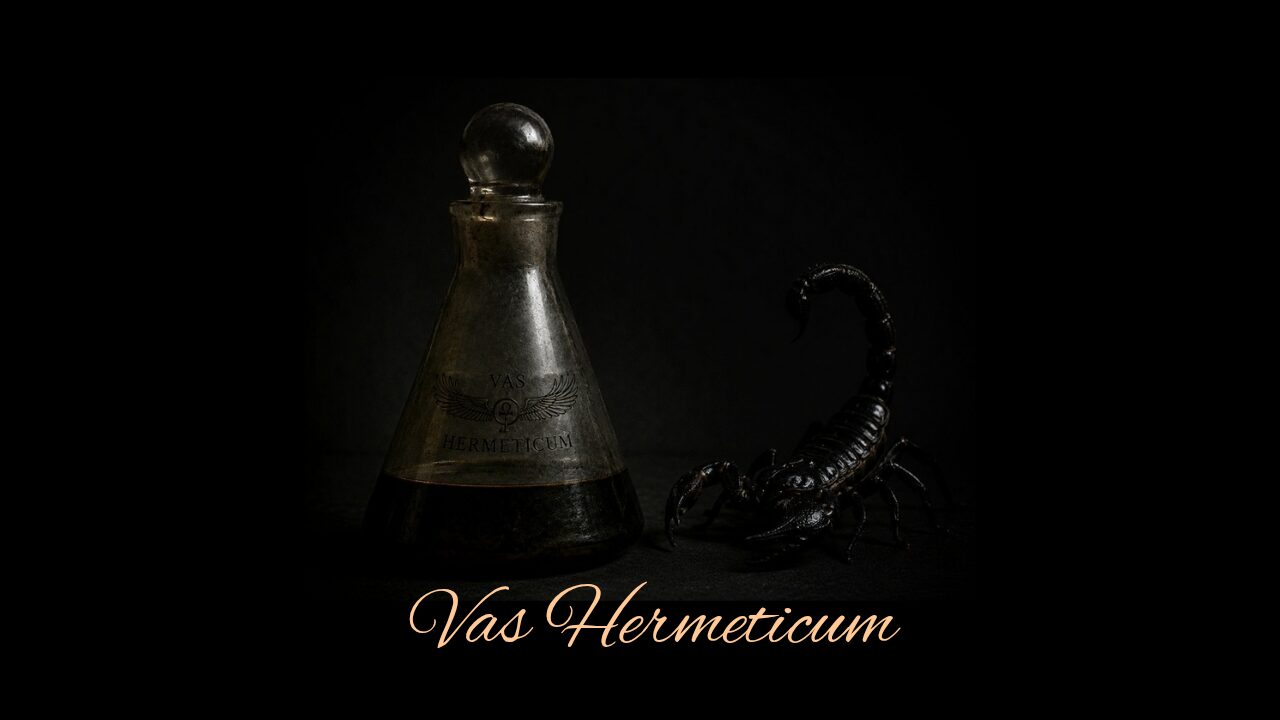
The psyche needs what the alchemists call vas hermeticum — a sealed vessel where inner transformation can take place.
This vessel allows the process to occur fully. It protects what is fragile while pain, confusion, and difficult inner material slowly transform into something new.
Some things within us need darkness before they can become light.
There is a difference between saying: “I can stay with my pain and listen to what it is trying to show me.” and: “I need to immediately bring my pain to others so they can confirm that it exists.”
The first is a movement toward inner growth and individuation.
The second can become a release without true transformation.
In alchemy, there is a stage called nigredo — the “blackening.” It is the period when an old form begins to break down. That process can feel like confusion, loss, emptiness, meeting our shadow, and entering a kind of inner chaos.
But this chaos is not meaningless.
The alchemical vessel exists precisely so that this process can be endured until a new form begins to emerge.
Human beings need their own inner vessel as well.
This vessel can exist within a deep friendship, a family relationship, or a therapeutic space — places where there is trust, care, and enough safety for something vulnerable to appear. In such spaces, we are not simply talking about our problems. We are meeting deeper layers of ourselves: our dreams, symbols, unconscious patterns, and all the messy parts of ourselves we have not yet fully understood.
The internet is a different kind of space.
It is fast. It’s consuming. It seeks reaction. It rewards what is immediately visible. It often does not allow enough time for something to settle, mature, and transform within us.
Because of this, we can easily confuse expression with healing.
Not every expression is transformation.
Sometimes we simply reopen a wound in front of many people, hoping that their attention will do the work that only our own inner process can do.
This does not mean we should remain silent. Sharing can be meaningful. It can create connection and bring comfort to others.
But there is a difference between sharing something we have begun to understand and exposing something that is still bleeding.
The question is: From what place are we speaking?
Are we speaking from a place where we have begun to accept our experience and take responsibility for our own process?
Or are we speaking from a place that is still asking someone else to carry our pain, validate it, and give it meaning?
Jung warned about the danger of identifying too strongly with our psychological material. A person can spend so much time looking at their wound that they forget they are much more than that wound.
Our wounds are part of our story.
But they are not the whole of who we are.
The transformation does not happen because everyone sees what we are going through.
It happens when we ourselves begin to understand what is happening within us.
The soul does not seek an audience – seeks a vessel.
A safe enough place where what has ended can be released, where what is being born can grow, and where something new within us can find its own shape before being offered to the world.
There is a profound difference between:
“This is something I am moving through, and I take responsibility for my own path.” and:
“Witness my pain. Confirm it. Help me carry it.”
The first creates space for true transformation.
The second often only asks for witnesses to a suffering that has not yet found its meaning.
-Tea